

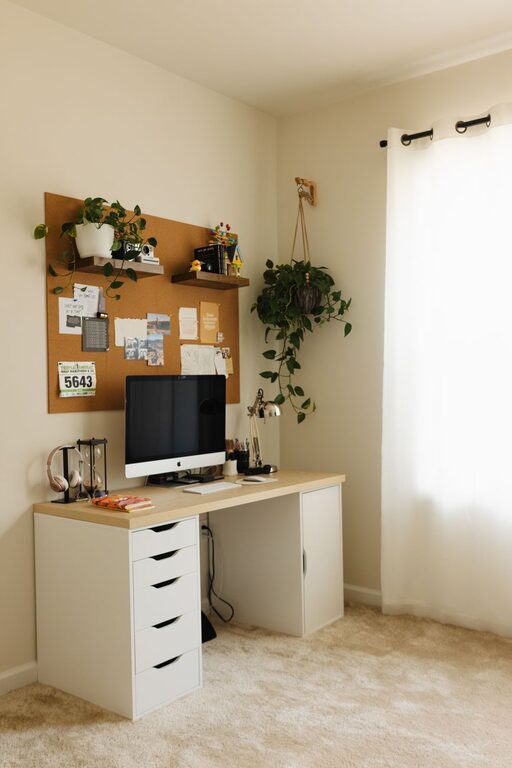
Creating a home office that balances comfort and productivity can transform your work-from-home experience. Whether you’re setting up a new space or refreshing an old one, a cozy and efficient office can help you focus better and enjoy your workday. In this post, we’ll share practical tips to design a home office that feels inviting and keeps distractions at bay.
Choosing the Right Location
The first step in creating a home office is picking the best spot in your home for work.
– Natural light matters: A room with plenty of natural light can boost mood and reduce eye strain. Try to position your desk near a window, but avoid glare on your screens.
– Consider quiet areas: Choose a space with minimal noise from household activities or street traffic to help maintain concentration.
– Separate from living spaces: If possible, pick a room or a corner that is separate from areas like the kitchen or living room to create a clear boundary between work and home life.
Ergonomic and Comfortable Furniture
Comfort is key for long work hours. Here’s how to make sure your furniture supports both your body and productivity:
– Invest in a quality chair: Choose an ergonomic chair that supports your back and encourages good posture. Adjustable height and lumbar support are a plus.
– Desk size and height: Ensure your desk is large enough for your work materials but fits comfortably in your space. Your desk height should allow your arms to rest at a 90-degree angle when typing.
– Add footrests or cushions: If your feet don’t rest flat on the floor, a small footrest can improve posture. Cushions can add extra comfort if your chair needs it.
Smart Lighting Choices
Lighting impacts your productivity and mood. Here’s how to optimize it:
– Mix ambient and task lighting: Use overhead lights for general illumination, combined with desk lamps to reduce eye strain.
– Choose warm light for coziness: Warm or soft white bulbs (2700K to 3000K) create a relaxing atmosphere without making the space feel gloomy.
– Adjust brightness: Use dimmable lights or smart bulbs to control lighting levels throughout the day.
Organizing for Efficiency
Keeping your workspace tidy helps minimize distractions and maximizes efficiency.
– Use storage solutions: Shelves, drawers, and filing cabinets can keep documents and supplies organized and out of sight.
– Declutter regularly: Remove unnecessary items from your desk to maintain a clean, focused environment.
– Cable management: Use clips, ties, or sleeves to keep cords neat and prevent tangles.
Personalizing Your Space
Adding personal touches makes your office inviting and motivates you to spend time there.
– Incorporate plants: Greenery adds life to a room and can improve air quality. Low-maintenance plants like succulents or snake plants are good choices.
– Use artwork and photos: Surround yourself with art or photos that inspire or calm you, but avoid clutter.
– Choose calming colors: Soft blues, greens, or neutral tones create a soothing backdrop that helps concentration.
Technology and Tools
Having the right technology and tools makes work smoother and less frustrating.
– Ergonomic accessories: Items like wrist rests, keyboard trays, or monitor stands can reduce strain.
– Reliable internet and devices: Ensure your computer, printer, and internet connection are dependable to avoid interruptions.
– Noise control: If external noise is a problem, consider noise-canceling headphones or white noise machines.
Establishing a Routine and Boundaries
A well-designed space supports good habits.
– Set a schedule: Use your workspace consistently during set hours to build a work routine.
– Keep work items in the office: Avoid bringing work materials into other rooms once the day ends.
– Create “off time” zones: Designate your office as a work-only space to mentally separate job tasks from relaxation.
—
By thoughtfully combining comfort, organization, and personalization, you can create a home office space that feels welcoming and helps you stay productive. Remember, your workspace should adapt to your needs and evolve with you over time. Start with these tips and tailor your office to fit your unique work style and preferences.